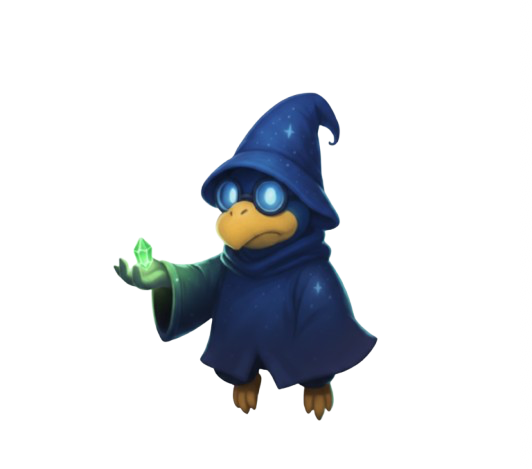
Lorefire is a local-first software application designed for chronicling 5e tabletop role-playing game campaigns. It enables users to record game sessions, transcribe audio locally using WhisperX, and generate AI-powered summaries written in the style of a bard. The tool is tailored for dungeon masters and players seeking to archive and manage their campaigns entirely on their own machines, with no reliance on cloud services or external accounts.
Among its features, Lorefire offers full 5e character sheet management, including tracking hit points, spell slots, inventory, conditions, and rest states. Characters can be imported directly from D&D Beyond by pasting a character URL, bringing in stats, features, spells, and inventory automatically. The platform also includes an encounter tracker that auto-detects encounters from transcripts, providing round-by-round breakdowns and outcome tracking. NPC management is supported through an NPC roster, which tracks attitudes, locations, and generates AI-created portraits, allowing users to monitor the evolution of relationships over the course of a campaign.
Lorefire integrates an AI chat assistant, referred to as The Oracle, which has access to all campaign data—including sessions, characters, NPCs, and encounters. Users can query the assistant about campaign details or request recaps in bardic prose. ai (GLM-4 models), OpenAI (GPT-4o-mini), Anthropic (Claude Haiku), and local Ollama models, with the flexibility to switch providers or operate fully offline. ai, or DALL-E in both lifelike and comic styles. If no AI provider is configured, Lorefire can generate template-based summaries while maintaining full offline functionality.
The application runs on macOS (Apple Silicon and Intel) and Windows, storing all data in a local SQLite database. There is no account requirement, subscription, or telemetry, and nothing is synced or uploaded. Lorefire is open-source, released under the MIT license, and is free to use. Users can download release builds or run the software from source, with onboarding that guides setup of AI providers and transcription models. The tool is positioned as a campaign chronicle for 5e tabletop games, emphasizing privacy, local data storage, and long-term campaign management.
In the Games space, Lorefire takes a focused approach. It focuses on managing and documenting tabletop RPG campaigns with AI-powered tools, fully offline. It is built as an open-source project for tabletop RPG players and dungeon masters. Lorefire is open source under the MIT license. It runs on the web, macOS, Windows, and Linux, and it can be self-hosted.
Behind Lorefire is Justin Woodring, and the product first shipped in 2026. PulseGate's similarity index finds few close equivalents — Lorefire occupies a relatively distinct niche. Key capabilities include audio recording, local transcription, and AI summaries.
Latest indexed changes and source events
Other apps tracked under the same category.